At CLBD, we know that good support doesn’t happen by accident, it happens because the whole organisation is working in the same direction. An organisational approach means that our values, training, policies and everyday practice all join up, so people experience consistent, high-quality support wherever they are and whoever is on shift.
We believe good support is holistic and flexible to each individual’s needs. No two people are the same and we are all different. We don’t just focus on a person and the behaviours they may present with. We look at the whole picture: their environment, their relationships, their health, and the way support is being provided.
As an organisation, we are committed to being honest with ourselves about the impact we have on people’s lives. By reflecting on our own practice and the support around each individual, we can adapt, learn and keep improving the quality of care we provide
The Low Arousal Approach is a calm, non-confrontational way of supporting people who are feeling distressed, anxious, overwhelmed, or showing behaviours of concern. It focuses on reducing stress, preventing escalation, and creating a sense of emotional safety for both the individual and the staff. It is a fundamental philosophy with Studio 3’s Managing Signs of Distress framework.
Using the low arousal approach helps to reduce stress and sensory overload. It helps people being supported to feel safe and understood and helps them to build trust with their supporting staff. It supports trauma-informed care and helps to reduce the need for restrictive practices. It helps to prevent situations escalating into harmful behaviours, helping to keep everyone safe.

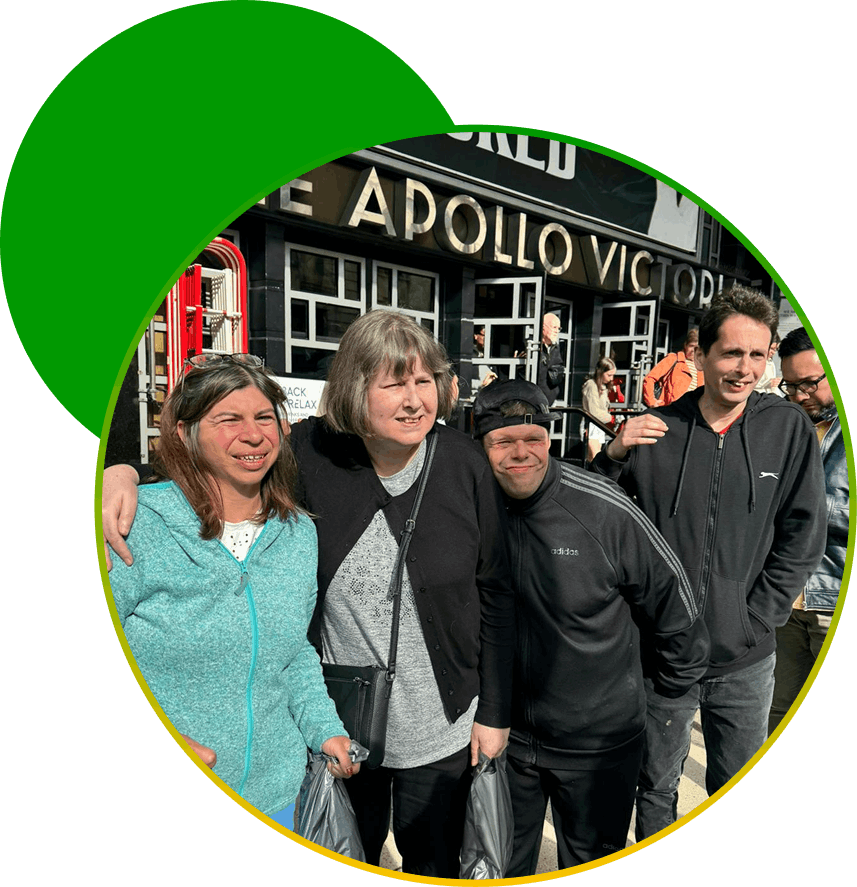
At CLBD, we believe meaningful relationships are at the heart of good support. When people feel understood, valued and connected, every part of their life can improve. Strong, trusting relationships create safety, reduce anxiety and help individuals feel confident in expressing themselves. This often leads to fewer behaviours of concern and a more settled, positive daily experience.
Relationships also play a vital role in reducing the need for restrictive practices. When we truly know a person, their likes, dislikes, communication style, history and hopes, we can support them in ways that feel respectful and personalised. Instead of reacting to behaviour, we respond to the person.
For us, relationships aren’t an add-on; they are the foundation of everything we do. We invest time in getting to know everyone, building trust with families, and supporting staff to develop meaningful connections. When people feel connected and understood, they thrive.
We are proud to have our own Director of Health who is a Mental Health and Learning Disability Nurse, who oversees the health needs of the individuals we support. Working closely with staff teams, families and external professionals, they help to coordinate appointments, advocate for reasonable adjustments and make sure health issues are spotted early rather than when they become a crisis.
By combining strong relationships with a clear focus on health, we aim to give people the best chance to feel well, stay well and live the lives they choose.
Our goal is to create positive, life-changing outcomes for the people we support. We don’t just want to maintain where someone is; we want to help them grow, achieve new things and write a new chapter in their story.
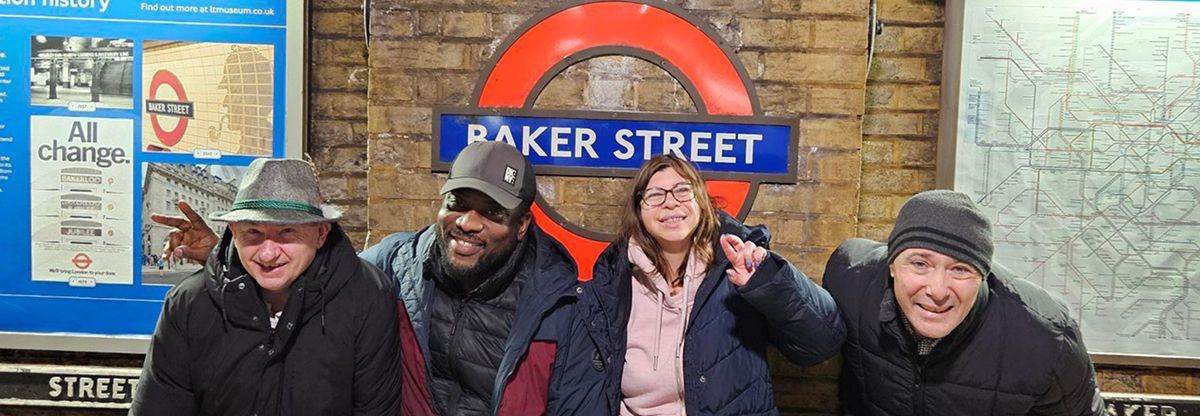
At CLBD, we believe every moment has potential. This means we don’t see support as just “getting through the day”, we see each part of the day as a chance for someone to be involved, make choices and enjoy life. Through Active Support, we encourage individuals to take part in everyday activities like cooking, cleaning, shopping, hobbies and more. It’s often the small things, stirring a sauce, choosing what to wear, watering plants, that build skills, confidence and a sense of purpose. By treating every moment as an opportunity, we aim to help people live rich, interesting and meaningful lives, not just receive care.